
If you’re new to web design, you probably have a lot of questions about the craft. Those who have a newfound passion for web design know they can’t only rely on their technical knowledge; they also have to be creative. Thanks to advanced web design tools and software, you can create a website like no other. But first, you need to be familiar with the basics of web design. And this article can help.
Here are seven effective and practical tips that can help you design your first website and make it look like you’ve been doing it for years:
1. Planning Is Key
Every finished product starts with an idea, which is realized through a plan. The same goes for web design.
The first step is to decide what kind of website you want to design. There are different types of websites that you’ll eventually learn how to make. These include e-commerce, business, entertainment, educational, and blog websites, to name just a few.
Once you have decided what kind of website you want to make, it’s time to begin the actual work. Instead of creating the initial design using a computer program, go back to basics: take a pen and a piece of paper and draw what you have in mind. This is a great idea for web design beginners, who might otherwise feel overwhelmed with the sheer number of options and features a web design program offers. You don’t even have to be good at drawing for this step.
You can use this method to create a landing page, an “About Us” page, a contact page, a FAQ page, a pricing page, etc. When you map out how you want the website to look before you start, you’ll be able to create a step-by-step plan. You’ll also have specific design features in mind. In addition, you’ll be able to use your sketches as references throughout the entire process.
2. Keep It Simple
If you haven’t been hired as a web designer, and you just want to practice, you can start by making a blog. Your first project should also be something that’s fun. If you start with a complicated project, it will be too stressful and overwhelming, and it will just discourage you from web designing.
The design itself should be simple and easy to navigate. This especially applies to the homepage, as it’s the first thing someone sees when they visit your website. It’s also the page most responsible for drawing website traffic, increasing the conversion rate, and driving sales.
An easy-to-read homepage means simple elements. It might be tempting to try out interesting designs and custom backgrounds you created. But if you add a lot of text, images, animations, and special effects, it will be too much for the visitor. The people who visit your website should be able to find everything they’re looking for easily and quickly. They should also be able to search for keywords and go back to the home page easily.
3. Choose the Right Colors and Fonts
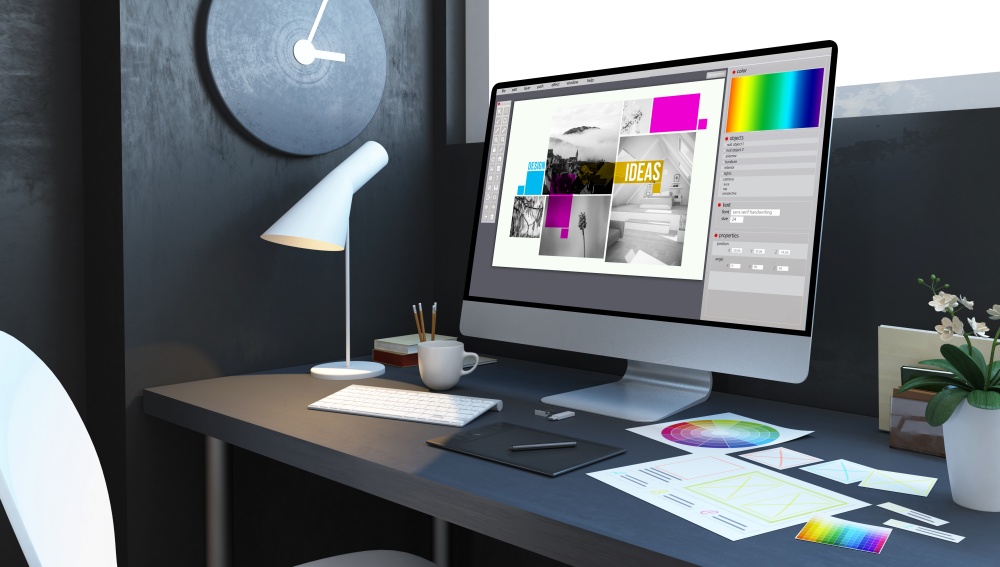
You might think that the website’s color scheme and fonts aren’t important, but these two factors are quite crucial. The website’s colors, fonts, and other visual elements need to go with the website’s brand, reflect the business’s values, or convey a certain message. This is otherwise known as color branding. The color of a product has been proven to influence the consumer’s decision to buy it.
A website’s color scheme can influence a person’s first impression, just like the colors of a wall can affect someone’s mood. For instance, blue is the color of serenity, while yellow symbolizes happiness and optimism. Green is associated with wellness, health, and nature. Purple, black, and white can all indicate luxury and elegance.
The font is another element you have to think about. The typography has to be readable, and just like the colors, it has to match the brand of the business. Is the website selling luxury goods or handmade items? Is it for educational purposes or entertainment?
You can also combine different fonts. However, a rule of thumb is not to use more than three fonts for the entire website. Of course, the font and the color scheme need to go together as well. In the end, the whole website should look like a cohesive, streamlined poster.
4. Know the Importance of White Space
We talked about the website’s color scheme. Now, let’s discuss the background. Today, you can find websites in virtually any color imaginable. You may be thinking that a white website is boring, but it’s actually the most preferred website color for a range of businesses.
Bright, saturated colors can be distracting. The website’s colors might draw focus away from important content on the web page. Thus, using white for your website or similar, neutral tones can translate as classy, luxurious, and sophisticated.
White space doesn’t only refer to the color of the website but the space that’s between text and other website elements. You should try to avoid stuffing your website with unnecessary elements, buttons, information, animations, and special effects.
It’s imperative to leave room on your website for plain, white space. Even though it doesn’t sound like it, white space serves a specific purpose. It can make your website look cleaner and uncluttered, and easy on the eyes.
5. Focus on the Layout and Website Features
The three most important elements every homepage layout should include are the header, call-to-action, and footer.
The headline must be clear and simple and explain what the website offers in one to two sentences. Stay clear of any fluff. The footer goes at the bottom of the page, and it’s usually a shortcut to everything clients can find on the website.
Everything between the header and the footer is the content. The most important content goes at the top, leaving the bottom for additional information. In most cases, someone will visit your website to find out specific information. If they have to waste a lot of time to find it, it will decrease their user experience.
A call-to-action (CTA) button can say “Call Now,” “Try for Free,” “Set Up an Account,” “Buy Now,” and similar invitations. The CTA button should be in plain sight, preferably at the top of the landing page. There should be a few CTAs on your website for additional conversion opportunities.
It goes without saying that the layout needs to be perfectly aligned. Don’t be afraid to add visual effects, like images, videos, animations, illustrations, charts, etc. Just don’t go overboard.
6. Have User Experience in Mind
There are two simple but important goals every website should strive to reach: to look good and work well. A well-designed website is crucial for an online business. Your website needs to create a good first impression, or the entire design process would have been for nothing.
Creating a successful website isn’t easy. One person might like the design, but a different person may think it doesn’t look good. This is why you need to know the website’s target audience. Remember that the website you’re designing is intended for a specific group of people, whether they’re shoppers or learners.
Keep in mind that you have less than one minute to capture someone’s attention, so you have to do it right. That’s why the target customers should find everything they’re looking for when they first click on your website. A better customer experience leads to an increased conversion rate.
Another way to make sure the website visitors can find what they’re looking for is by listening to their feedback. You can do this by having a designated page for customer reviews. Remember that there is always room for improvement.

7. Search for Inspiration and Explore New Designs
Perhaps one of the most important tips for web design beginners is to never stop learning. Like any type of computer study and subcategory of web development, web design is always changing. That’s why you must always keep up with new technology advancements and web design trends.
Doing this not only lets you know it’s time to update and optimize the website. It will also help you find inspiration for new ideas. You can also find lots of websites that offer pre-made website templates.
Don’t be afraid to check out your competition. Of course, we’re not encouraging you to copy designs from other websites. But you can discover if a competitor’s website is using features you didn’t know existed or something similar.
As important as this is, you should still try to be as original as possible. There are more than one billion sites on the web, so you need to find a way to stand out from the crowd.
Design Websites Like a Pro
Designing a good website is more than just using different colors and coming up with new layouts. You need to have an eye for detail, but you must also be able to see the bigger picture.
You also need to think about the website’s target audience and design the website in a way that will appeal to them. Practice makes perfect, so the more websites you design, the better you will get. Just remember to have fun along the way.


