
NFTS (non-fungible tokens) took the world by storm in 2021. Since then, there have been many predictions on what to expect from the market. The future of digital collectibles looked bright as everyone from financial consultants to pop stars partook in this exciting new trend. Digital collectibles even reached sales in the billions of dollars.
However, many people are still skeptical, and with good reason. The market reached a $38.2 billion value in the same year, but interest in digital tokens suddenly plummeted. After all the hype, you’re left with the question – “Are NFTS dead?” While it’s always difficult to precisely predict social and economic trends, there are still fair assumptions we can make.
Here’s what the future of NFTS might look like.
NFT Basics – Why They Matter
Before we delve into some future predictions for NFTS, we must first define what they are, how they function, and from where they derive their worth.
By name, NFTs are non-fungible. That means you can’t replace them. Any object that derives its worth from being one-of-a-kind falls into this category, whether it’s Vincent Van Gogh’s Starry Night (sold for $100 million) or a digital meme.
Regarding sales, NFTs mainly refer to digital tokens that feature illustrations, memes, and videos. This allows creators to claim digital ownership over things considered sharable for everyone.
While this trend took off in 2021, since 2022 NFT sales have dropped by a whopping 90%. The enthusiasm for digital tokens has waned off, and we’re left unsure of their future.
How It All Began
It was in 2017 when NFTs were first created. The company Ethereum (cryptocurrency industry) introduced a token as a standard for developers and artists. These tokens were a prominent feature of smart contracts, allowing developers to link art to their works. It’s also worth mentioning that Ethereum only started the first standard approach to NFTS, connecting them to Crypto. Certain video game platforms began using digital collectibles like skins even earlier.
After 2017, NFTs continued gathering steam until finally peaking in 2021. Celebrities made millions of dollars for their digital illustrations, and video games introduced these tokens in their gameplay.
But this isn’t a purely digital playing field, either. Leading art auction houses Christie’s and Sotheby’s also turned to this trend, pocketing $69 million through digital auctions. The backing of prominent celebrities, brands, and authorities fueled the intense but short-lived NFT craze.
What’s Going On With NFTs Now?
Once a promising market, the NFT industry and general interest in digital tokens have massively dropped in just one year.
With a loss of over 90% in overall sales, some believe it’s due to the market’s speculative nature. Currently, many NFTs on the market are trading for much less than their original sales price. At the same time, it’s hard to deduce why; it’s safe to assume that there are multiple reasons.
Decreased trading volume and shifting market circumstances have significantly reduced and even eliminated royalties. Many NFT projects base most of their worth on these royalties and are unsustainable without them. NFT prices are also closely connected to cryptocurrency prices, which have diminished in recent years, too.
Others still blame a lack of regulations on the downfall of the NFT market. For example, many participated in the activity of “wash trading.” This procedure involves re-selling an NFT to yourself, artificially inflating its value and market price. For traditional market assets, wash trading is illegal. However, the NFT market is unregulated. It’s thought that up to 80% of NFT trading volume came from wash trading. The result was an overhyped and artificially overvalued market without stability, real worth, or backing.
What Does the Future Hold for NFTs?
Since NFTS have plummeted significantly, does that mean they’re dead? The answer is both yes and no. While the original NFT market won’t ever be the same, non-fungible tokens have taken different forms for different uses.
Many are optimistic about the future of NFTs and their potential. While they may not be worth as much as they once were, they can still be used to help businesses and individuals in various ways.
Going Beyond Digital Art
Most people associate NFTs with digital art and collectibles. But they can also be used to claim ownership over digital property. Tokenization makes it easier to protect digital assets from fraud or misuse. Personal data, domain names, and social media handles can all be verified through an original NFT identity.
There can also be a crossover of digital NFTs and assets in the real world. Many might use an NFT to signify they own a certain luxury good, vehicle, or piece of real estate. Given the nature of digital tokens, this can even extend to intellectual property. There are virtually no limits to what digital tokens can represent and do for everyday transactions.
Potential NFT Application
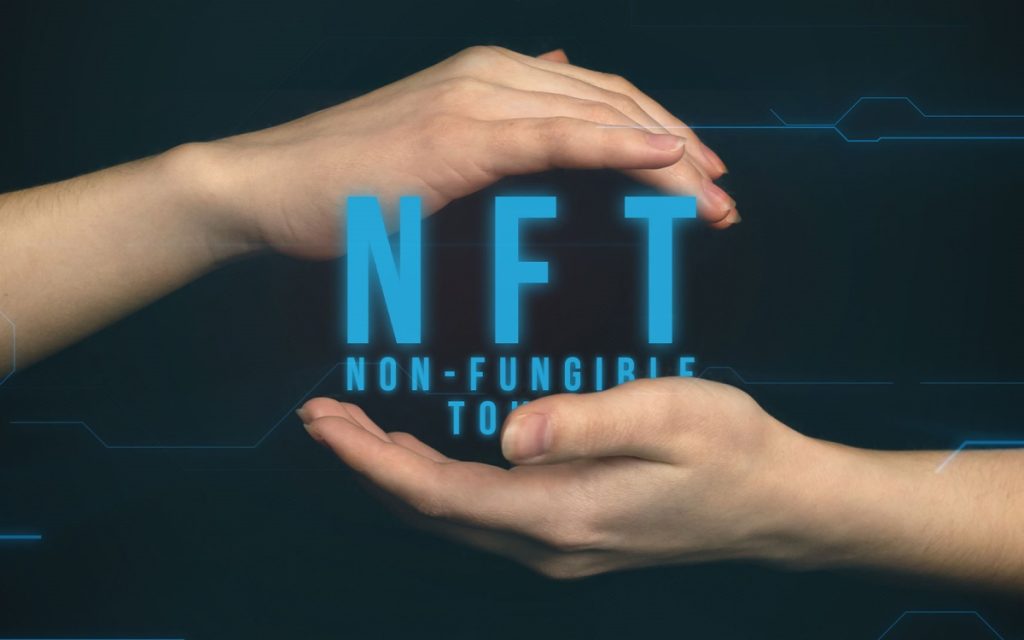
While NFTs were formally created in 2017, they’ve been used in the gaming industry long before that. Gamers could buy skins, props, and in-game items. It’s expected that this trend will develop even further. This might result in a more interactive and lifelike game economy, where players can purchase items and freely trade amongst themselves.
Artists can also leverage tokenization to ensure better rates and compensation. If an artwork requires a digital token to prove purchase, it gives artists better control over how their work is distributed.
Other NFT Applications
Besides art, gaming, and real-world items, there are other ways that tokenization might be used in the future. Below are a few ways non-fungible tokens can change the business landscape.
Entrance Tickets for In-Person Events
Instead of using real tickets, some event planners might offer an NFT token for conferences, sporting events, and concerts. This digital invitation might be a more convenient way to access important functions permanently. Many businesses might introduce tokenization alongside an app that makes the experience more pleasurable.
Private Groups and Community Entrances
Some communities might wish to keep their membership exclusive. So in the same way passwords protect entry, entrance might require an NFT. They can even symbolize a hierarchical level in private clubs or communities.
Coupons, Discounts, and Promotions
NFTs are also finding their way into customer retention and marketing landscapes. An NFT can easily work as a coupon, membership card, or discount for your favorite service. Companies might slowly begin to replace traditional coupon methods entirely.
Additional Product Information
As mentioned, using an NFT can help others identify who owns an item. When stored, it can also give new buyers relevant information. For example, users can buy a car that comes with an NFT that gives information on mileage, past owners, and official registration.
Brands Already Embracing NFTS
To better predict the NFT trends of the future, it helps to look at certain contemporary applications. This will give us a clearer picture and help us anticipate how digital tokenization might change everyday life for businesses and individuals. Certain companies have already embraced the power of tokenization for more efficient and smoother brand experiences.
Starbucks Special Loyalty Programs
At the end of 2022 (when NFT interest was dropping), Starbucks launched a special loyalty program with an interesting twist. Those admitted would collect points in the form of digital tokens. Once they collected enough, they could exchange them for rewards, merchandise, or discounts.
Luxury Giants Gucci, Luis Vuitton, and Dior Using NFTS
One of the biggest issues in the luxury industry revolves around counterfeit items. While the quality is hard to match, certain items can come remarkably close to the real thing. By selling luxury clothing with an NFT, consumers can receive confirmation that the product is indeed genuine.
This is highly beneficial for luxury companies as it can help maintain brand reputation, customer trust, and loyalty.
Adobe and Microsoft Beta Version Testing
When a tech company does beta testing, it will make its platform available to a small amount of users. Companies like Adobe and even Microsoft have used special NFTs and tokenization to make this process as smooth as possible.
Users then give feedback regarding the platform and are rewarded with other tokens that can be exchanged for special perks, discounts, or even more platform access.
Digital Souvenirs at the Australia Open
The Australia Open has recently started using NFTs, too. These collectible tokens can represent match statistics, moments, and highlights that give viewers more information. Once the tournament is complete, they can buy these tokens as souvenirs or discounts for attendance to later tournaments.
The Final Verdict on NFTs
So, are NFTs dead? In one way, yes. The unregulated and artificially blown-up NFT market is probably a thing of the past. After reaching its peak in 2021, it dropped almost as suddenly as it rose to fame and promise. But while it might be practically impossible to trade NFTs for millions of dollars now, they still function as tokenization in other markets.
Both artists and gamers will most likely increasingly use NFTs in the future. Ownership of intellectual and digital property through tokenization is another route many businesses and individuals might choose to take. NFTs essentially allow you to prove that a certain item is both yours and authentic. As their uses diversify, the market might be worth less overall than in 2021, but it will likely be much more stable.


