
Cryptocurrency has come a long way since its introduction through Bitcoin in 2008. A lot of changes have come and gone, but one thing has remained the same: regulations. We can’t undermine the important role they have to play in shaping everything from market stability to investor protection and, of course, innovation. It’s not just the technology that evolves. It’s also the regulations. This article provides a comprehensive overview of the latest and most significant crypto regulatory developments worldwide and their impact on the sector.
What’s the Global Regulatory Landscape Like?
It almost feels like the regulatory approach to cryptocurrencies is as decentralized as the technology these digital assets are based on. Each country or region has a unique approach and marches to the beat of its own financial ecosystem, regulatory concepts, and socio-economic conditions. In any case, stablecoins, AML policies, counter-terrorism financing measures, CBDCs, and DeFi platforms remain focal points.
Let’s take a closer look at some of these over different locations.
The United States
The U.S. is one of the major players in the cryptocurrency market, with regulatory bodies such as the Securities and Exchange Commission (SEC), Commodity Futures Trading Commission (CFTC), Financial Crimes Enforcement Network (FinCEN), and the Financial Stability Oversight Council (FSOC). All of these agencies constantly shape the regulatory framework around crypto.
SEC has been dead-set on regulating cryptocurrencies. It cracks down on anything it deems fraudulent and unregistered, filing lawsuits against multiple crypto companies such as Ripple Labs, Coinbase, and Binance in 2024. It also introduced new definitions for the terms “dealer” and “government securities dealer.” These can take a toll on decentralized finance (DeFi) providers. What that means is that if we redefine terminologies, more crypto market players will be required to register and comply with federal security laws.
How the U.S. Approaches Stablecoins
You’ve heard of stablecoins – cryptocurrencies pegged to traditional assets like the U.S. dollar. These currencies are the talk of the market in 2024. However, the general attitude toward them appears negative. Unlike other decentralized cryptocurrencies, stablecoins are governed by a single entity. This makes them centralized, and that defeats the purpose of a cryptocurrency because it introduces trust and transparency issues. The bodies that issue these stablecoins must prove they have enough reserves to back their coins.
Another issue with stablecoins is that they fall into murky regulatory waters that are difficult to navigate. For that reason, stablecoins are more prone to money laundering and other illegal activities that U.S. regulatory bodies aim to prevent.
Here’s a solution from the President’s Working Group on Financial Markets: Treat stablecoin issuers like you treat banks and impose strict regulations that will ensure stability while protecting customers. The FSOC has also announced as part of its 2024 plans to implement regulations targeting stablecoin issuers, focusing on reserve requirements and transparency. As all of this is happening, the Anti-Money Laundering Act of 2020 will go into full force this year. This will impact crypto exchanges and wallet providers directly.

The EU
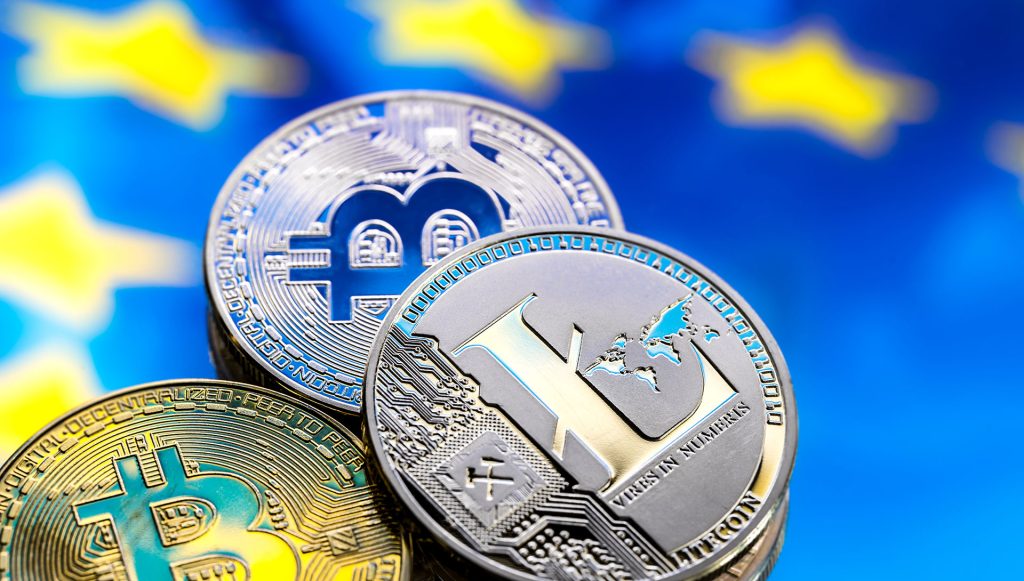
For the past few years, the European Union has been busy developing comprehensive regulatory frameworks for cryptocurrencies as they gain popularity across member states. The Markets in Crypto-Assets (MiCA) regulation is one of these initiatives. The EU first put it on the table in 2020. The aim? Creating a uniform regulatory framework for all EU member states. Consumer protection, market integrity, and financial stability all fall under MiCA’s magnifying glass.
It also covers various aspects of the crypto market, including issuing and trading digital assets. It imposes strict requirements for crypto service providers, as well as stablecoin issuers. Under MiCA, stablecoins are called "asset-referenced tokens" and "e-money tokens." The intentions behind the MiCA regulations are good: they’re aftermarket abuse prevention and ensuring the integrity of the crypto sector. The MiCA is expected to come into full effect in 2024.
Introducing the Digital Euro
We’ve reached the point where central banks are toying with the idea of introducing their own digital currencies (CBDCs). The European Central Bank (ECB) is one of them. Initially discussed in 2019, the goal was to enhance payment efficiency for EU citizens through a secure and regulated digital currency for everyday use. In 2020, the ECB went as far as asking how EU citizens and businesses would react to a Digital Euro. The feedback was positive. The concept has passed the research phase but hasn’t been implemented yet. If it gets the green light, we’ll see the Digital Euro being introduced sometime in the next few years.
China
It’s a common misconception that crypto is completely banned in China. Even though the country has digital assets on a tighter noose and went as far as banning crypto mining and trading activities in 2021, crypto is very much alive there. The Chinese government wants to fully develop its own digital currency, the Digital Yuan, much like what the EU is doing with the Digital Euro. The keyword here is “fully,” as the Digital Yuan (aka e-CNY) was tested during the 2022 Beijing Winter Olympics where athletes and visitors used it to make transactions. The People’s Bank of China (PBOC) aims to use this digital currency to enhance the country’s financial control and stability. It’s expected to roll out in 2024.
Increased Efforts at Regulation
China has also joined other countries by focusing on implementing ALM and CTF measures. Financial institutions in China now have to pass AML and CTF checks, including consumer finance companies, loan companies, and even non-banking payment institutions. In general, China favors regulations above all. It continues to impose strict measures on decentralized cryptocurrencies, yet DeFI platforms are still thriving in the country despite its best efforts to suppress them. As for stablecoins, the PBOC is again calling for the need to regulate them, deeming them problematic for the stability of financial markets. This seems to be a common trend in the industry.
Japan
Japan is one of the world’s most crypto-friendly countries and was one of the first to integrate digital assets into its financial system. The Bank of Japan is also working on the country’s first CBDC. In 2024, Japan has strengthened its regulatory framework for cryptocurrencies, focusing on stablecoins, AML, CTF, and DeFi. Stablecoins are as problematic in Japan as they are anywhere else. As a result, the Financial Services Agency (FSA) has introduced strict requirements for stablecoin issuers to lessen financial risks and protect consumers.
The country has also incorporated the Financial Action Task Force (FATF) guidelines to boost AML and CTF measures. Any cryptocurrency exchange in Japan is now required by national law to disclose recipient information to reduce transaction anonymity. This has helped Japanese law enforcement track and freeze illicit assets.
Testing the Waters with DeFi Regulation
Japan is treading lightly when it comes to regulating DeFi platforms. On the one hand, it wants to ensure that these platforms are compliant with AML and CTF regulations. On the other hand, there’s the issue of anonymity. DeFi users are adamant about anonymity, and regulating things too much may disrupt that. This isn’t deterring Japan from implementing these regulatory efforts to create a secure and transparent crypto market, boost investor confidence, and enhance customer protection measures.
Regulatory Approaches in Emerging Markets
The United States, the EU, China, and Japan are all countries and regions that have been dabbling in crypto for many years. But what about emerging markets just facing the growing popularity of digital assets? These new markets are some of many that are starting to catch up and take measures aimed at regulating cryptocurrencies. Countries like Brazil and Argentina already implement AML and CTF frameworks in Latin America. If you’re operating a crypto exchange in this region, be prepared to follow strict KYC procedures. It’s also mandatory to report suspicious activities to national financial intelligence units.
Africa has also been warming up to crypto regulations. Digital assets are gaining ground in Nigeria and South Africa, leading to AML and CTF measures. In Nigeria, no large and suspicious transactions go unnoticed by the relevant authorities. In South Africa, the Intergovernmental Fintech Working Group is working on guidelines for stablecoin oversight to ensure transparency and consumer protection.
Next, we have Southeast Asia, led by Singapore and Malaysia. The standards here for AML and CTF are compliance are high, and not everyone can meet them. The Monetary Authority of Singapore (MAS) is known for enforcing strict KYC processes and monitoring all crypto transactions closely. Malaysia’s Securities Commission (SC) has implemented international AML standards into its crypto regulatory framework.
How the Corporate World Is Reacting to Crypto Regulations
Any corporation involved in the crypto space must readjust its strategies. The only way to move forward as a legitimate business is to align with regulatory developments and integrate compliance measures with blockchain services.
Take PayPal, for example. The fact that its users can buy, hold, and sell digital assets directly on PayPal means that the company has undergone strict compliance regulations to meet the standards of various jurisdictions. PayPal is the go-to service. It adheres to both local and international standards and has integrated cutting-edge KYC and AML protocols. Block (formerly Square) also offers digital asset services through its Cash App. Like PayPal, this company has invested heavily in compliance infrastructure, KYC, and AML protocols, which has made it a credible and successful app in the market.
Other companies have had to give in to regulation changes, a case in point being Binance. Many countries put the company under pressure, finally resulting in a corporate decision to enhance compliance measures and adhere to local laws. Binance set up regional offices and got the licenses to operate in various jurisdictions by the book.
Moving Forward
At their core, all regulatory frameworks in crypto have a single goal: serve and protect the consumer. Even if imposing regulations may seem counterproductive initially, they actually ensure market integrity and boost innovation. We’ll see more tech advances like artificial intelligence and the Metaverse making their mark in setting global standards for crypto regulations. As regulations are put into action, the crypto market won’t be as rocky anymore and we’ll see some still waters. Because of this, more investors will pitch in and the sector will go from niche to mainstream.
Of course, we can expect some hurdles along the way. Not everyone in the industry is a fan of these regulations. Some state the financial burden of acquiring licenses to operate, while others insist that regulations lead to decreased trust and transparency. That being said, regulations also come in the form of opportunities. If you can navigate the regulatory landscape and stay ahead of the curve, they’ll only serve to improve your credibility. As for stablecoins, AML policies, counter-terrorism financing measures, CBDCs, and DeFi platforms, the sky’s the limit and there are a lot of developments that we have yet to see.


